FALTVOGEL
a solo exhibition by Sebastian Lettner
Curated by Alexia Timmermans
In collaboration with NO’ONO’O
April 1–3, 2022
Eberswalderstr. 22
10437 Berlin
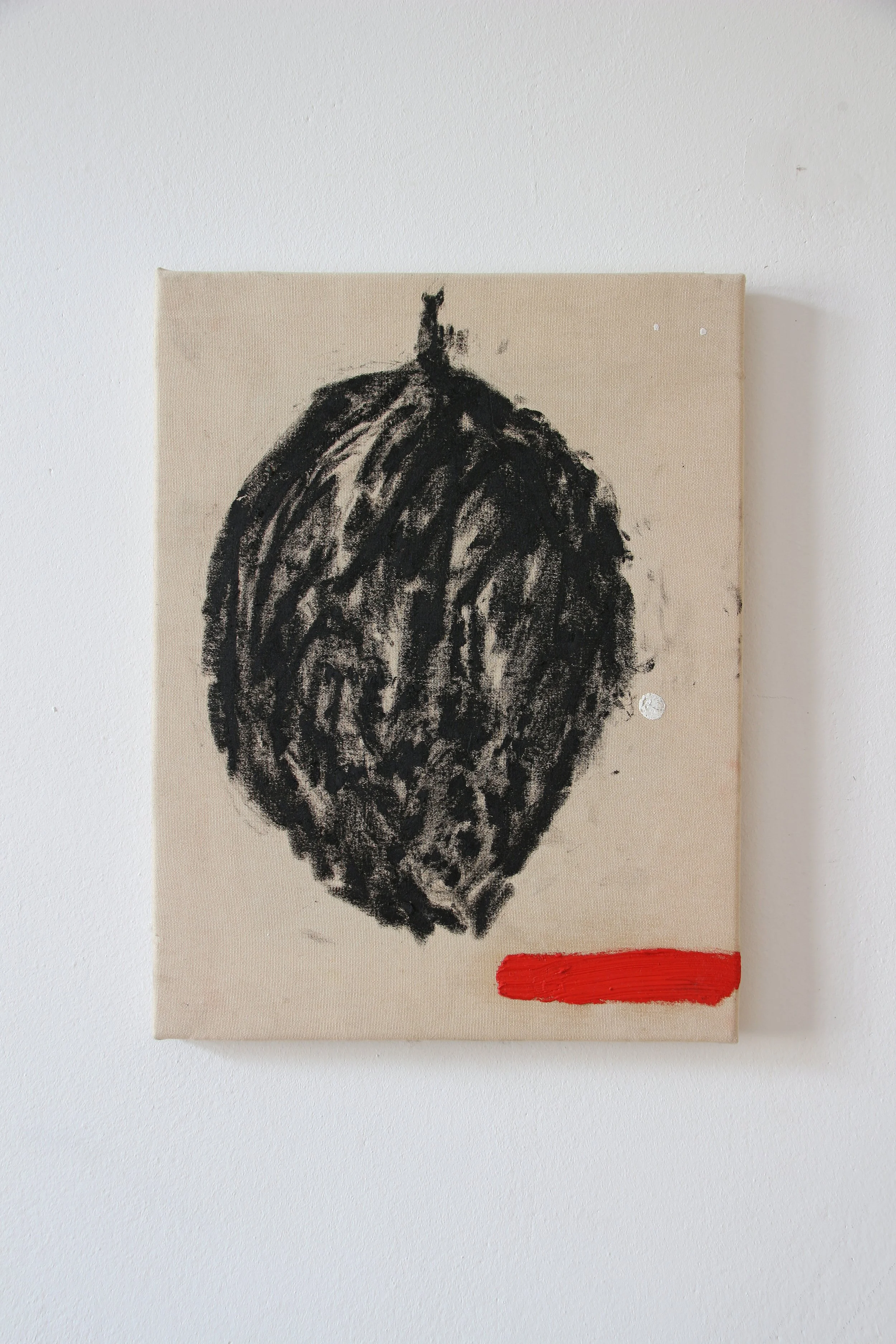
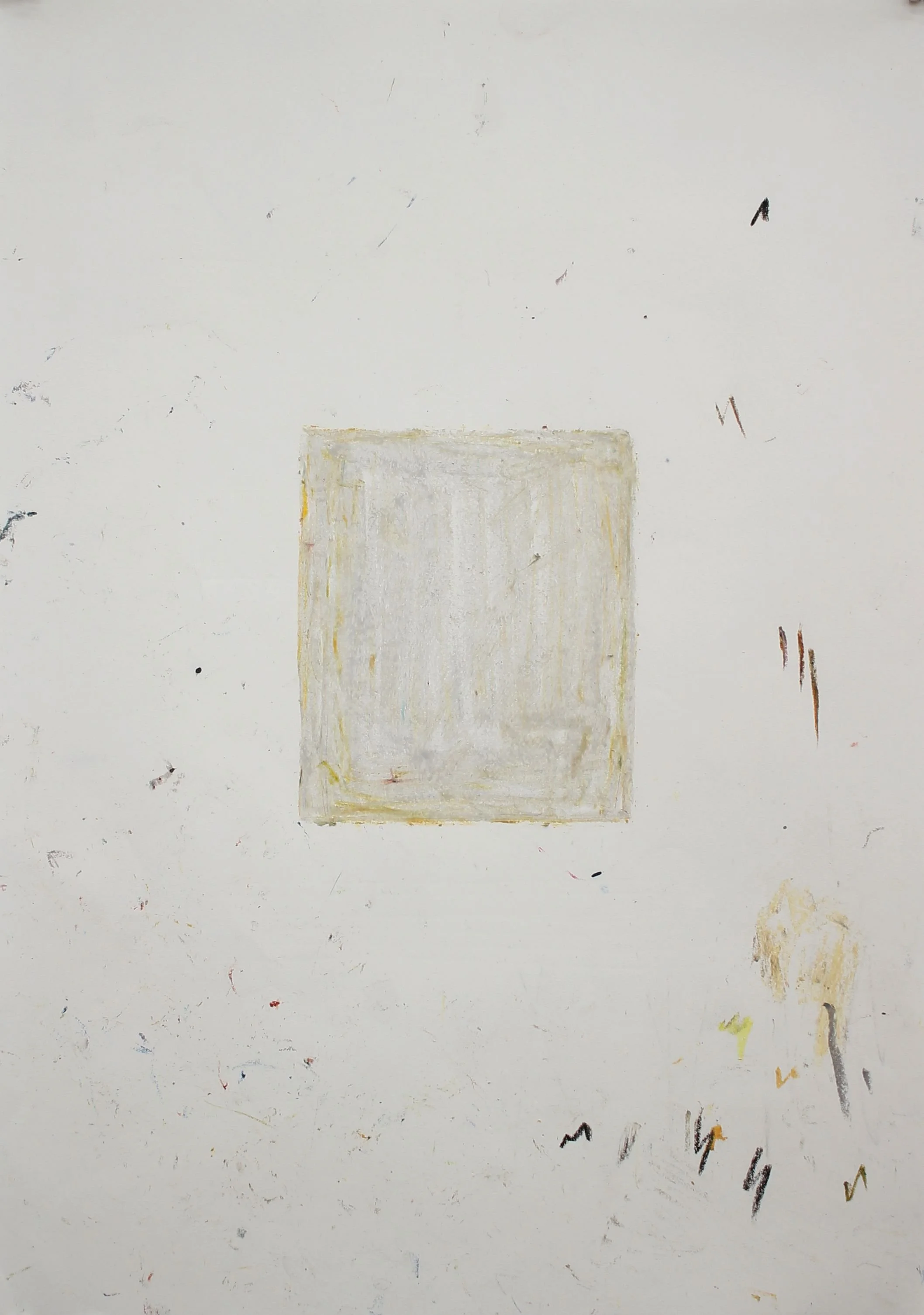
In his exhibition FALTVOGEL Sebastian Lettner portrays ‘the art of folding and unfolding’ in a range of works meandering on the border of abstraction and figuration. Including a large-scale 3 by 4 metres diptych, a wall composition of found objects, large plant drawings and smaller textile works, the presentation evokes at times dynamic, at others more silent echos of nature – a recurrent theme in Lettner’s work.
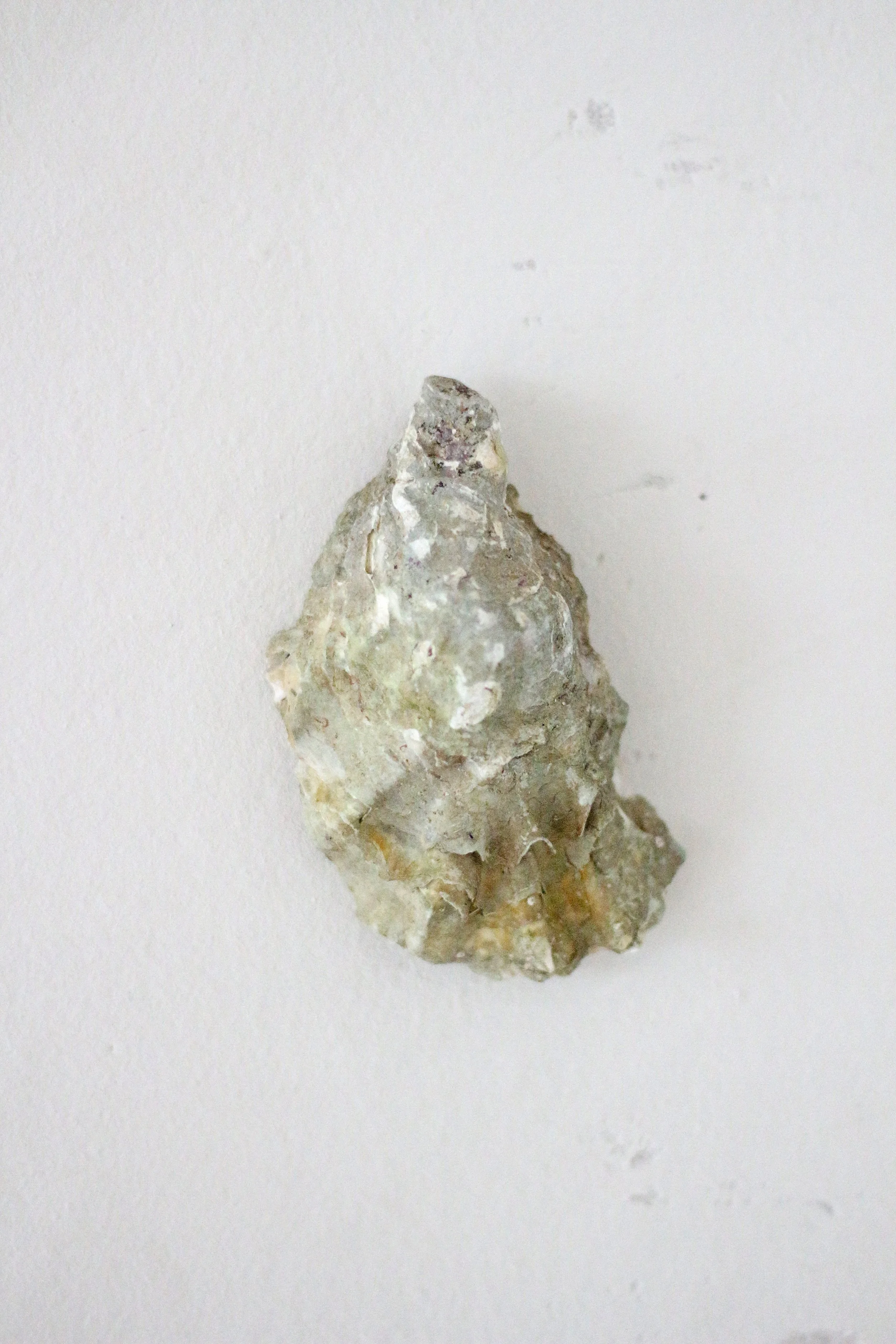
Faltfogel, ‘folded bird’ – title of the exhibition and recently published poetry book – refers to Lettner’s practice of bringing together different mediums like painting, drawing, installation and writing. Like in his poetry, where disparate thoughts, concepts and words create new meanings by overlapping or merging them, in the works on view Lettner generates new perspectives by superimposing gestures, blending textures or folding materials. Working with found material, building pictures out of leftovers, is an important part of that procedure.
The series of paper works – drawings of (decaying) plants, flowers or other flora, epitomises Sebastian Lettner’s aptitude for formal play and spontaneity, as manifested by a reduced pictorial vocabulary of varying expressive character. A continuation of his major body of work comprising painting, in this recent work Lettner uses the oilbar as a medium to break down the barrier between drawing and painting as well as a method of coincidence – this is, by letting his gestures be guided by haphazard marks of oilbar incapable of being erased. Another technique used to highlight the process of coincidence is the folding and unfolding of each sheet of paper. Other than the inkblot technique (Rorschach), where the pressing of an ink drawing will leave a symmetrical pattern across both halves of the sheet, Lettner makes us of the opaque quality of oilbar to only transfer a thin layer of colour to the other half. These sporadic traces of tincture serve him as minimal reference points to intuitively reproduce the original pattern.
Coincidence and reduction are also key to ‘Kite’ (2020) – a large-scale diptych covering an entire wall of the space. On a background of lime green shades appears a dense geography of energetic mark-making in oilbar, as if the artist relentlessly tried to erase the original picture plane with slathering layers of carbon black paint. Drawing inspiration from American abstract expressionism, Lettner’s unrestrained gestures are driven by the loose, sweeping movements of his body. This impulsive and highly physical process of painting, as he describes it, is the most intimate and direct expression reflecting his present state of mind.
In his wall composition of found material Sebastian Lettner combines both the mediums sculpture and painting by repurposing 26 woodblocks as raw painting surfaces. The varying shapes result from Lettner’s cutting out of symmetrical notches at the corners or half way along the sides of these objets trouvés. Used as small canvases, Lettner highlights the plane and depth of the throwaway wood pieces, giving the work a painterly quality. As suggested by its title, ‘Like Rolling Numbers’ (2022), the work has much to do with chance: “The object finds you and not vice versa. The process of decay and change is as important as what ultimately emerges. There is no finished vision, but only fragments, everything is in flux, everything generates new meanings.”
This is also how Sebastian Lettner understands poetry. His book ‘Faltvogel’ accompanying the exhibition, is free from strict formal aspects, fixed verse forms, or closing end. Bound together by a certain musicality of words, Lettner’s poetry not only revolves around the experience he gains while writing the verses, but also around an openness to an endless array of meanings with each new reading of it. To question the use of a word and above all, to question our habit of using them by dissecting words, creating overlapping meanings or new ways of understanding, is an essential part of Lettner’s writing process coalescing with his expression in painting.
Sebastian Lettner works and lives in Berlin. He studied with Günther Förg and Sean Scully at the Academy of Fine Art Munich.